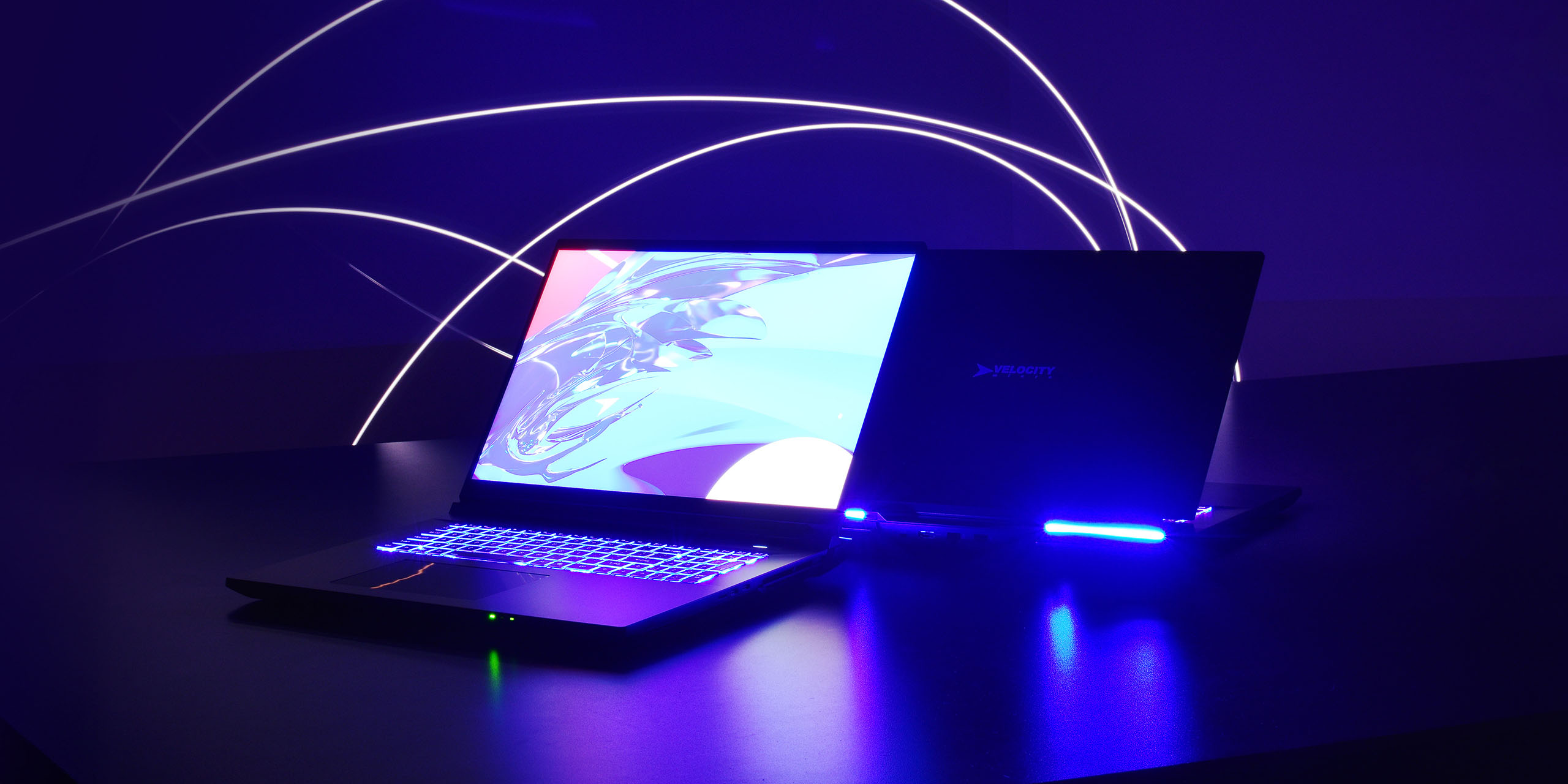
Recently, I was in the market for a new laptop and got to researching for my purchase. I had my needs in mind, but it was a component, not a device, that caught my eye. Modern CPUs with iGPUs are exponentially better than they’ve ever been, going toe to toe with some dedicated GPUs from only two generations ago. You can get admirable frames on games that should make integrated graphics scream.
What truly blew my mind about the most modern CPUs – and really, I should say APUs – like the Ryzen AI MAX+ 395, is that they can get this performance on battery. This was an utter impossibility before, but it wasn’t until I started researching my laptop purchase that I realized why.
TDP On Laptops
If you own a desktop PC or have built one, you might have noticed a statistic printed on the side of the box for some of the components called “TDP”. Thermal Design Power (or Point) is essentially a measurement of the maximum possible power draw that a component could take under a theoretical maximum load. Though the number provided often isn’t perfectly accurate, what’s absolutely clear is that the modern CPUs/APUs I’ve been talking about have a much, MUCH lower TPD than GPUs, let alone the dedicated graphics in tandem with the CPU, which is the alternative.
The problem with having a high TDP is that you need more power to run the component optimally. Consider a desktop computer’s PSU. The average PSU we’re putting in one of our builds can handle 800 watts. This is enough to handle all of the components with a healthy sum of excess. The tradeoff is that PSUs are the biggest, heaviest parts of a build – something a laptop can’t really be, and therefore needs to outsource to the charger. The battery on its lonesome, at the HIGH end, can do about a quarter of that. So when you’re mid match and kick your charger, you starve your components – especially your GPU – for the power they need to keep up.
Why I’m Excited
Back to the Ryzen AI MAX+ 395 and the newest Core Ultra chips. In their laptop variations, these chips are looking for a sliver of the power that their desktop counterparts demand. This is exciting for a few reasons, one which is in the title of this video, but I’ll pretend like I get to reveal it anyway.
First and foremost, us nerds at VM as always want you to know that power = heat, and heat = bad. The most effective cooling systems are too big to fit in a laptop, and while the cooling of laptops has made strides with things like vapor chambers, they don’t hold a candle to a desktop AIO or big blower fan. On the flipside, of course, less power means less heat. Less heat means a longer lasting component that runs more stable.
It’ll also run for longer. In most instances, the most powerful of these chips are being shipped without a dedicated GPU onboard with them. This means much less power draw from your battery, and potentially more physical room onboard for a larger battery.
Finally, with TDPs in the ballpark of 50w, these chips can indeed game off the plug. If you’re not a frequent user and abuser of gaming laptops, this might sound a bit like a nothingburger – it’s anything but. This is a massive step for PC components, and something that, once the tech in these chips gets a little cheaper, I am absolutely considering for my next laptop, or tablet, or gaming handheld, or some weird combination of any of those three.
Conclusion
A lot of this information is old(ish) news – but it only became clear to me when I started researching a laptop what it means for average users. It’s exciting to think about what’s in store for CPUs in the future. If you want to give one of these modern chips a shot yourself, you can go to our website to have a laptop or desktop tailored to meet exactly your needs.

Latest posts by Marcus Nicolois (see all)
- Why gaming on battery sucks, but not for long - March 10, 2026
- Why We STILL Build PCs in the USA - May 22, 2025
- RTX 50 Series – Compared to Prior Gen & What We Know So Far - January 16, 2025